How We Help New Homeowners Understand Their Property
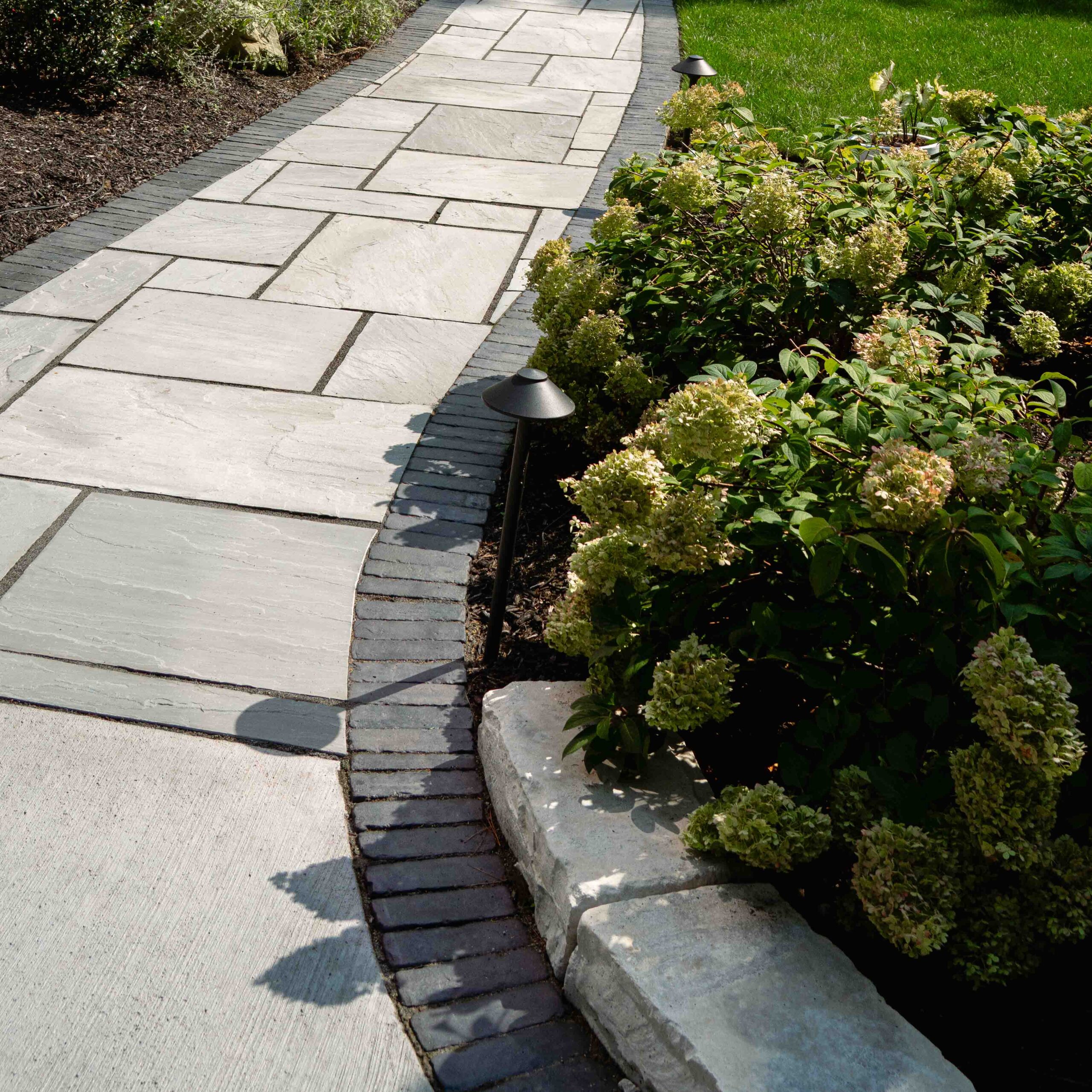
For new home buyers that have nothing on the property, we do recommendations and designs.
We have staff that can actually do an entire design for you. The two most important things we need are a picture of the home or the area that you wanna do the landscaping in, and we need to know how many hours of sunlight does that area get. And that stumps a lot of people, but it really makes a huge difference on which plants we recommend for that area. And then we’d also like to have some rough measurements. You know, how long is that bed?
A picture tells us roughly how long it is, but sometimes in a picture, it’s hard to tell, is that bed 15 feet long, 22 feet long? How long is the bed? How deep is the bed? And then we’ll guide you to the proper planting where it looks full from the beginning, but the plants won’t overgrow themselves. And dwarf plants have become popular in the last few years.
There’s a lot, because usually a lot of people say, I don’t want to trim. You know, we trim it all the time. A lot of stuff has been dwarfed to where it’s very easy to get rid of, where it’s much less work.
Soil Considerations
Now, what about soil assessment? That’s one question I do like to ask too, is how is your soil?
A lot of like the older house and places that are established, their soil’s a little bit better because there’s been a lot more going on in activity. Newer areas, one of the things that builders and developers do is when they buy a property, they push all the topsoil off and sell it. It’s how they recoup some of the money from buying the property to start the, you know, putting in the roads and the sewers and all of the things that have to go into a new piece of property when they’re getting ready to sell lots.
And unfortunately in doing that, a lot of times the soil that’s left behind isn’t the best. And so amending that soil with a product like Sweet Peet, we sell a ton of Sweet Peet every year. It’s great for putting lawns in. It’s great for planting trees and shrubs. The owner uses it on almost every single tree and shrub planting. I like to top dress it or use it like a mulch even, especially for perennials and annuals. They don’t want a real heavy woody bark mulch. That’s a good product. I always recommend that too. I mean, you’re digging that hole anyway. You might as well add some amendments like compost or Sweet Peet, something like that. Because that is gonna just increase the nutrients of the soil, which in turn feeds your plant and everything is good.
The soil in Northeast Ohio, and this especially around here, Stark County, Summit County, is so different in so many places. There is, yeah. My house, we have a lot of rocks. And like, I don’t know if it was like a gravel pit. The soil is pretty good, but it’s very rocky. And you know, there’s sand. And if you’re close to one of the lakes, there’s a lot of sand and gravel. If you’re out in the middle, away from a body of water, generally you’re gonna find it’s very clay-based. So it can vary dramatically depending on where your property is located.
I grew up in Akron near Portage Lakes. And the soil up there is diversified everywhere. Our yard was the epicenter of all the kids. We had very sandy soil there. And our neighbor’s was the same way. But you go over toward the Portage Lakes area up there near Long Lake, all the reservoirs there. And it’s a whole different ballgame. Location is really important as far as where you’re gonna plant.
If you have a woodland area and there’s more established trees, especially oak trees and that kind of stuff, your soil’s gonna be more acidic and more forest-like. And more humus-y, because all the breaking leaves, all the organic matter that breaks down from the trees.
But on the other hand, lavender and other plants like that don’t like that. They like the more sandy, kind of rocky soil. So it’s kind of right plant, right spot.
Sunlight Considerations
And that’s one of the reasons we’ll ask a lot of questions when somebody comes in. We wanna know how many hours of sun. We wanna know what the soil conditions are like, whether the sun’s morning sun or afternoon sun. That makes a difference, because then we can guide you to plants that knowingly are going to like that area. And then, of course, your success is gonna be so much greater.
And one thing that I used to, years ago, worked for a lawn company. And one of the big things I noticed about people, they would plant bushes, things like the arborvitaes, too close to the house. And that house heat in the summer would absolutely fry the back end. And there’s an overhang on a house. So a lot of times the backside of that plant’s not getting watered well either. When you’re talking, oh, well, it rained. Well, it didn’t rain on the back of the plant. And a lot of the plants that have been bred and hybridized over the last decade have really gotten significantly smaller in overall size.
Like a small plant before would have been six foot by six foot. Well, most of the flower beds around the houses aren’t even that wide. So you would always have to trim it and trim it and trim it to keep it controlled. A lot of the new plants are designed to be only two to three feet tall and wide. So they fit that space significantly better with much less effort. Which is really what we’re trying to do when we help somebody design a landscape. We want them to put as low maintenance into it as possible and have the enjoyment and the beauty out of it without the work.
Questions? Email us at [email protected] or call one of our two locations: Portage (330-499-0101) or Everhard (330-492-1243).