Gardening Myth #5 – Putting Epsom Salts on Your Plants
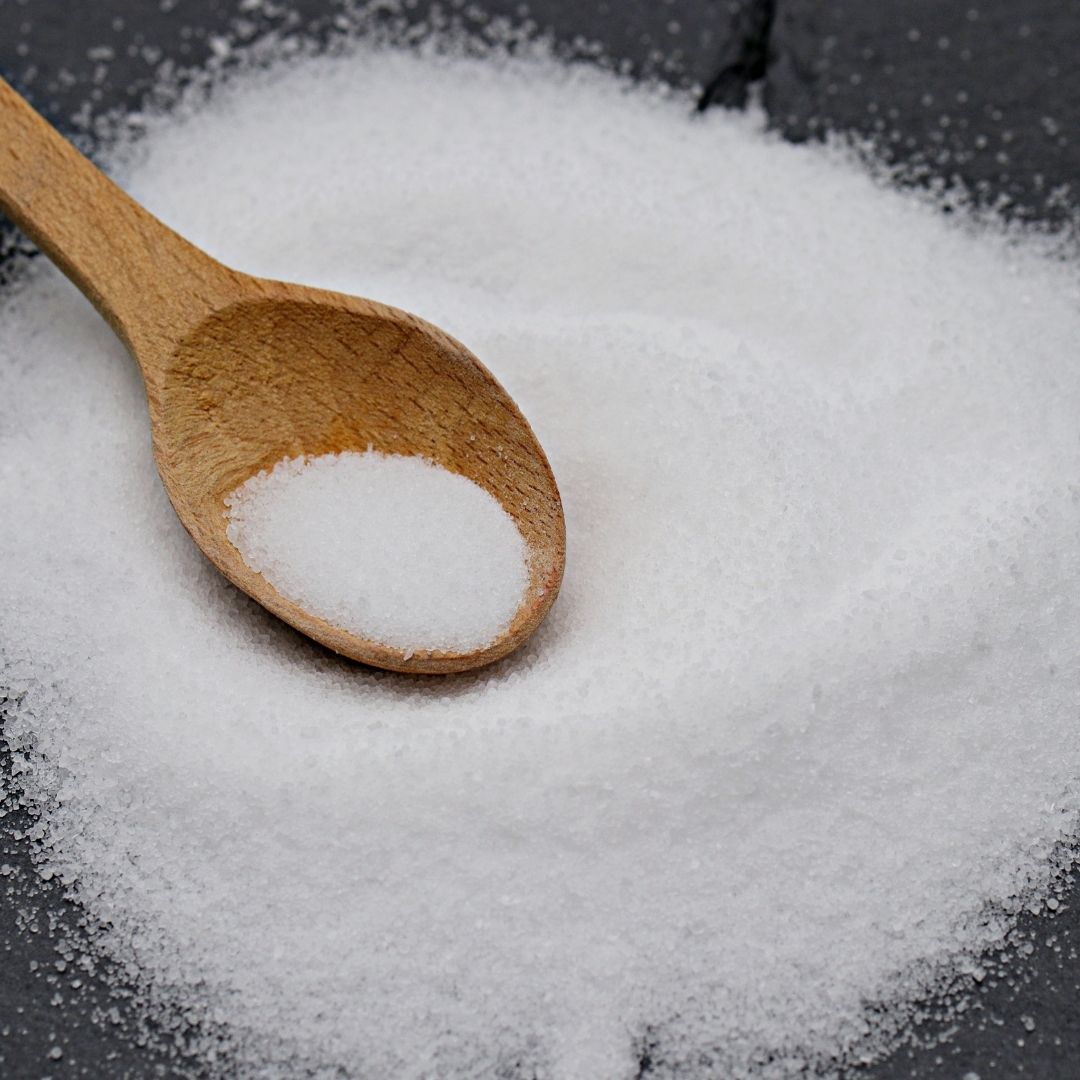
What about Epsom salts? They say putting it in your tomatoes, it’ll make tomatoes thrive. What do you do with Epsom salts?
A lot of people used to put them on geraniums or put it in geraniums because it would help uptake the iron. Really, it’s more of an old school kind of thing. Personally, I don’t know how well it actually works. You do have to be careful because it’s a salt product. If you add too much, the salt can actually hurt the plant. It’s one of those things, if you use it, you want to use it in the right quantities.
We talk about our granular fertilizer, the Rohr’s All-Season Fertilizer, all of the time. It’s because it’s got magnesium and manganese and some of these other ingredients that allows the plant to uptake the iron. You can have iron present in the soil, in your compost, and the plant won’t absorb it if the micronutrients aren’t there.
It addresses more of a micronutrient problem than an actual nitrogen, phosphorus, or potash, which are the three main numbers in all fertilizers. Fertilizers have come a long way, and I think they’ve realized while manufacturing them, they’re a lot more complex than they used to be. The old school methods and stuff, not that they don’t work, but I don’t know if they’re as necessary as they used to be.
And with the fertilizers, the technology has come a long way. The 12-12-12 that people used to put on their gardens and their yards, that was it. It was a very quick-release fertilizer. It’s there, it does its job, and the nitrogen part of that fertilizer mix is generally gone in seven to 10 days.
Whereas the nitrogen in our fertilizer, the coated Rohr’s fertilizer, can last for up to six months. It does the same thing, but it does it in a totally different manner. You’re feeding them nutrients they need for a very long period of time instead of just a quick shot.
Questions? Email us at [email protected] or call one of our two locations: Portage (330-499-0101) or Everhard (330-492-1243).