Bugs, Grass, & Rocks
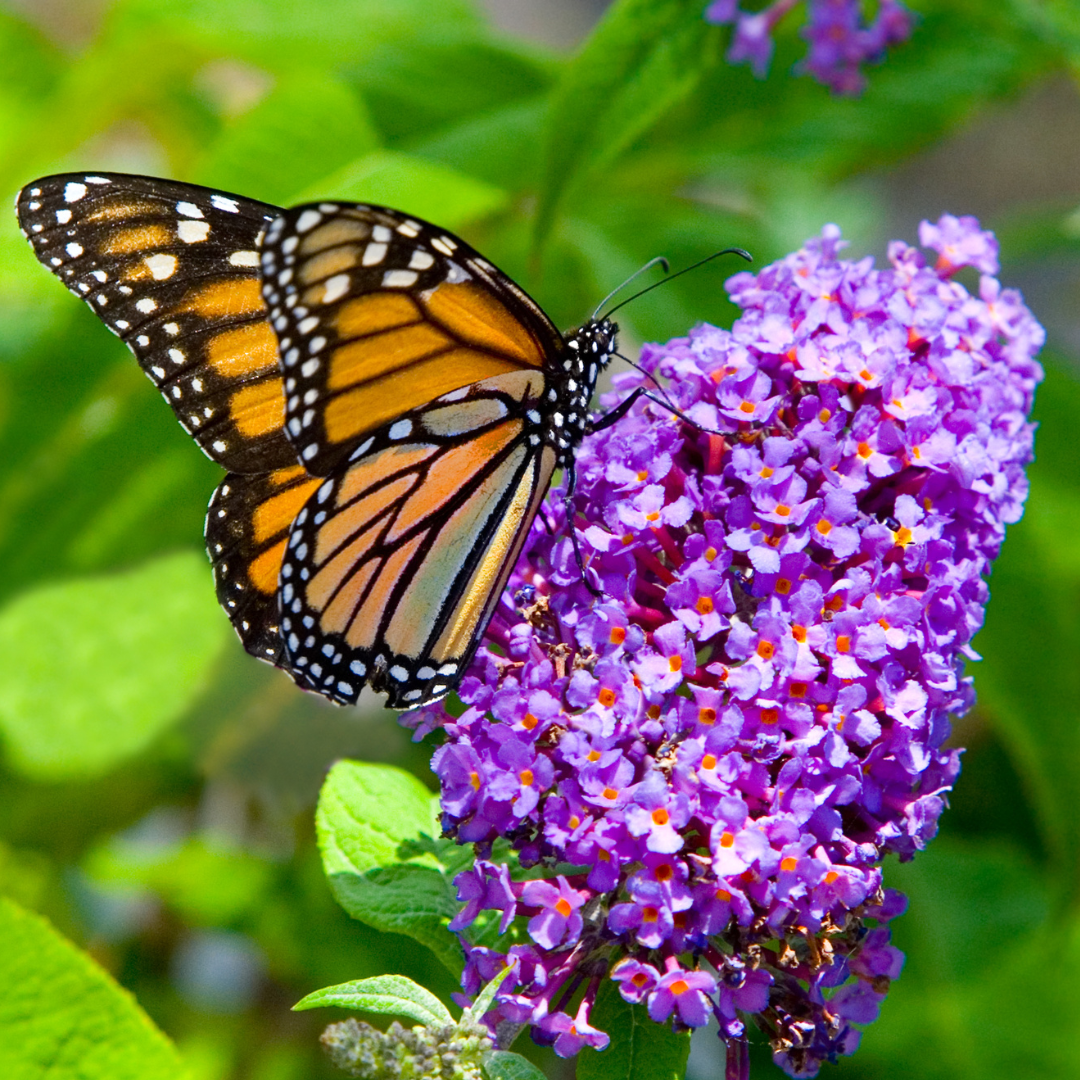
Bugs On Butterfly Bush
We have an email with some pictures from Dorothy, saying ‘these little bugs are killing the leaves on my butterfly bushes, and I don’t know what they are!’
It’s a very good picture; she caught it in action so to speak. It’s definitely aphids.
We’ve actually started spraying our butterfly bushes here at the nursery already, and I use a product called three and one, it actually does insects and diseases at the same time. We also noticed some aphids coming on some burning bushes about two weeks ago. Which was kind of early with the temperatures and we went ahead and treated those. They’re all taken care of, but those are the things that you want to watch for. The new growth on spirea and burning bush are really susceptible to aphids, and funguses on roses are going to be a problem with all this rain. It’s an environmental thing.
We use the three-in-one to protect the roses from insect and disease, we used it on the Spirea and the burning bush, and we also used it on the butterfly bush. That that is one of the best products, because it’s very broad spectrum. That chemical works very quickly.
You do not want to spray it when it’s raining, but you can pick that product up at the nursery. We sell it in a trigger spray, which is like a ready-to-use if you’re only treating one or two plants. We also have it in a hose end sprayer where it automatically siphons it and mixes it at the proper dilution rate if you’re doing a few more shrubs. If you’re spraying a lot of material, then we also sell it in a concentrate where you can put it into a pump sprayer. It comes three different avenues as far as the delivery method. So, when they come to the nursery, they should ask for bio advanced three and one.
Grass Blending
I have an email here, says ‘I had a large part of my yard that re-seeded last fall and the grass grew last fall and this spring very well. One small problem is the color of the new grass is much darker than the rest of the yard. Will it ever blend in?’
The answer is yes, most of the time the grass will blend because the grasses the seeds are a mixture of that Rye and bluegrass. The new growth on plants is usually a slightly different color than the established growth. As time goes on, it is going to look the same as the other grass around it.
The one thing you can do to kind of help it along its way is fertilize it. You can use a product called Milorganite, it’s going to give all the grass a real rich dark green color. I use that at my yard in the springtime. That grass should turn the same color as existing grass around it, but using Milorganite will make that whole process happen faster.
Poison Ivy Covered Rocks
We have a question from Jill, she’s moving some large rocks that are covered with poison ivy. What’s the best way to clean or wash the large rocks to remove the oils from the poison ivy?
I’m thinking of household items, things like Clorox like that are pretty caustic. Wherever you stack the rocks afterwards, the rocks absorb that, and we get a heavy rain, and it releases it, and it could cause damage. Whereas your Dawn is designed to break down oils and it’s not really toxic or caustic to the things around it.
Dawn dish soap is designed to break down oils and it’s gentle on everything else. I would still probably use some type of gloves when you’re moving those rocks around yourself in case some of the oils are still there and present. The oils will break down in the sunlight over time, but a dawn dish soap would maybe be the best least caustic way to try to clean those rocks off.
Questions? Email us at [email protected] or call one of our two locations: Portage (330-499-0101) or Everhard (330-492-1243).
