Gardening Myths #6 – Is Organic Really Safer?
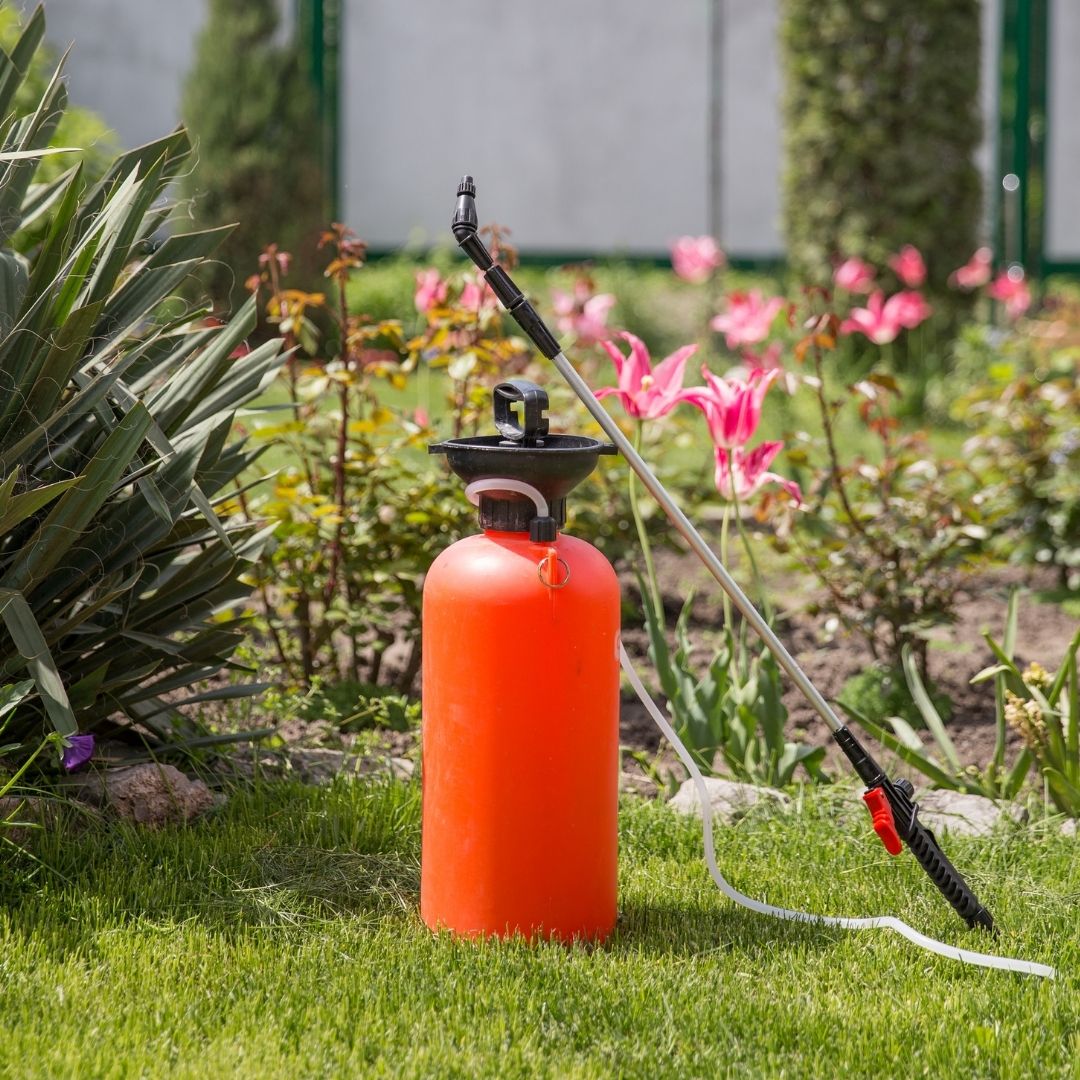
We want to talk about the preconception that organic is safer. So we get this a lot of times, people come in and they’re like, oh, I want an organic option. And one of my first questions is, why do you want something organic? And they say, because it’s safer. I’m like, okay, arsenic’s organic.
There’s this misnomer and this advertising and marketing that’s been done on organic products that will say it’s safer. No, it’s not safer, it’s just organic. There are actually some dangers with organic material, like we carry a product line called ESPOMA. And it’s a good fertilizer.
And if you’re growing vegetables or something, you’re going to eat blueberries, raspberries, and you’re going to consume the food. I see why a lot of people want to stay organic on what they’re growing to put in their bodies. And I get that. But you still need to be careful with that fertilizer.
You can use that fertilizer in April, May, early June with no issues. If you use that same fertilizer in July and August, when we’re really hot and really humid, that temperature controlled fertilizer can release, and it can release faster and actually damage the plant material by burning it and releasing too quickly. So organic is okay, it has its place, it has its purpose. But it needs to be used the right way to make sure that you’re getting the best value and benefit from it. And then it’s not going to harm the plant.
It’s not automatically safe just because it’s organic. I’ve heard a lot of people say that organic, as far as pesticides and stuff, is less effective. And that’s not necessarily the case with weed killers and that kind of thing. I mean, there’s really nothing that’s going to be for your grass. Most organic weed killers are pretty across the board, they’re going to kill everything. Like the vinegar and salt trick, which is personally all I use. It’s not selective, it’ll take out anything. So you have to be careful.
Just like with anything too, like a lot of times Roundup, it takes a couple applications to get certain tap-rooted weeds like dandelions. It’s going to take more than one application. If you do want to do organic in your yard, you have to understand it’s not going to look like a golf course. You have to take the good with the bad with the lawn. I mean, the weeds are going to be kind of an issue there. And you just embrace it if you want to go organic.
We talk about this product all the time. It’s called Preen. And it’s Preen that we’ll have people sprinkle down here in their flower beds before they do their mulching here in the next few months. Preen’s very non-invasive. It’s still toxic, but there’s ways to go about it.
Now, that product is super effective. It kills seeds as they germinate. It does not hurt actively growing plants whatsoever. There is an organic version of that that is basically corn-based. The problem with it is it takes about three years to start to be effective. So you’re going to have to commit to that and hand pull weeds out of those beds for three years before you’re going to start to see the results of using the organic weed preventer.
The cost is generally greater as well, and once people find out all of the restrictions to make organic do what it’s supposed to do, they don’t have the patience to wait that long. And so then we put them back into a standard chemical that’s going to do the job the first time.
Good Organic Pesticides
I do want to say there are some really good organic pesticides out there, like insecticidal soap. There’s nothing I would say that’s 100% safe, but it would be on the safer side of the chemical scale that you can use to control pests and insects that are not caustic chemicals.
Especially indoor plants and house plants. You can use a mixture of, we definitely recommend ivory soap rather than Dawn. I have used Dawn, but I’ve burned the leaves a couple of times. It wasn’t bad. It didn’t hurt my plant. Ivory is very safe and gentle, but it will knock out aphids and mealy bugs.
Sometimes it’s a little bit tougher on scale. That’s why we usually recommend a systemic. Scale is a very tough one to get rid of organically because they have that armored, it’s a shell basically. So it’s systemic, takes them out a lot better.
Scale actually sucks the juice or the sap out of the plant and excretes it on itself. And then that creates that hard sugar shell on the top and the plants under that. So a lot of times there you can still use organics, but it would be more of a horticultural oil or a growing oil. And those will, or even a dormant oil, depending on the time of year. But that oil gets underneath there, just like the soap, the oil plugs the breathing pores, and then it eliminates the insect that way.
Questions? Email us at [email protected] or call one of our two locations: Portage (330-499-0101) or Everhard (330-492-1243).