Invasive Plants in Northeast Ohio
We got asked about fighting invasive plants, we don’t talk about it all that much. Sometimes people call when it’s way too late, but you know, there’s a lot of different things out there that can be very invasive, and we have to try and stop them before they really cause any issues.
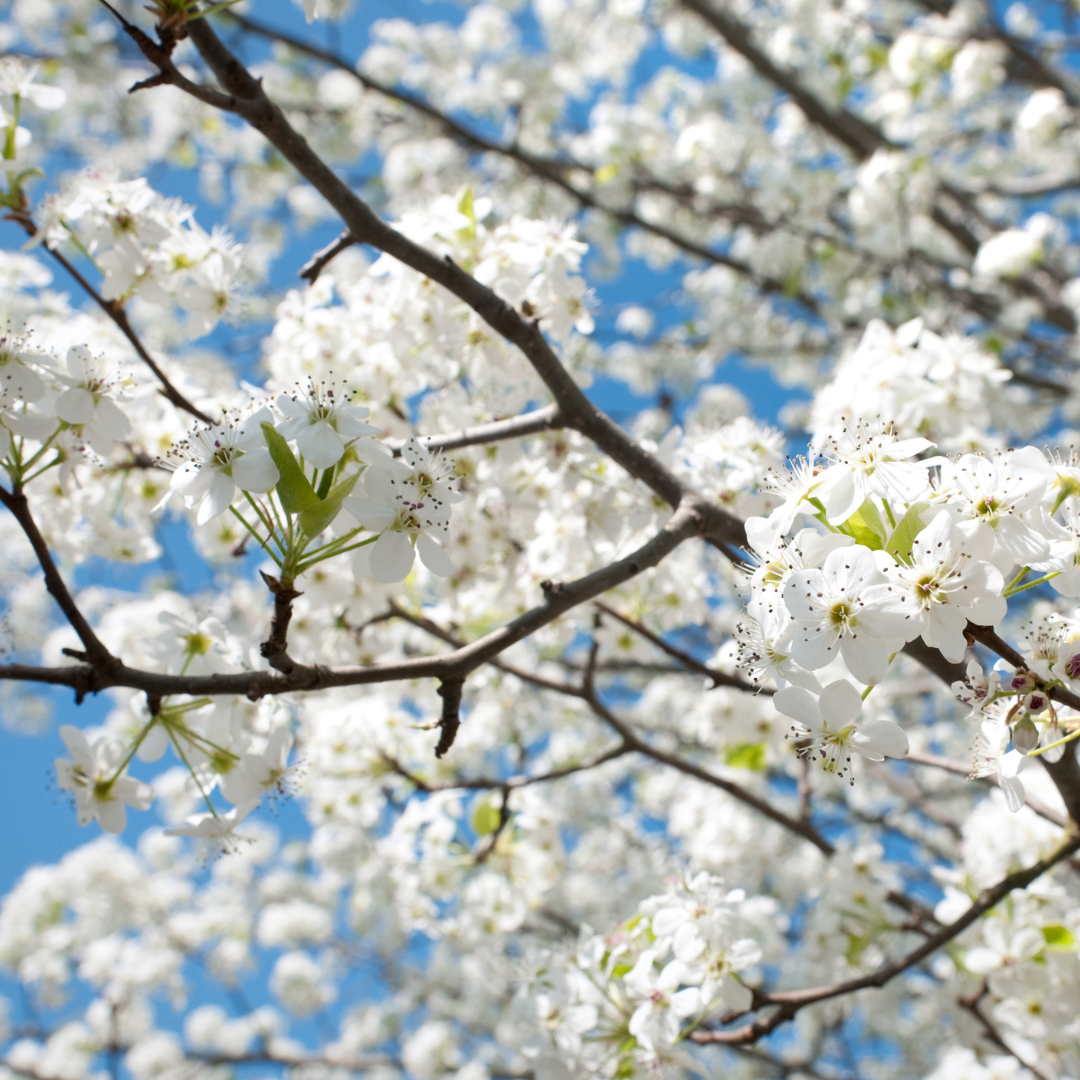
There’s been a lot of legislation in the past five years, there’s a lot of things that we used to be able to sell that we don’t sell anymore. Pear trees are probably the most common one. The fruiting pears are still good, but the ornamental pears are no longer available for sale in the state of Ohio.
In the water gardening department, they eliminated water lettuce, Rosette Lettuce Anacharis. There’s a lot of things that they’ve put on the invasive species list because they don’t want it to get into our public waterways. A lot of people say well, it’s going to be in my private pond. Unfortunately, we have to make the laws for the most irresponsible people, and there’s people that would have that in their private pond, have too many of them, and possibly they could get thrown away out into a public water system.
That’s why they’re trying to limit that stuff that is available, so it doesn’t affect the ecosystems. We can’t control what the birds and insects and nature does. That’s how a lot of the pear trees were, taking over because birds were eating it and then the seeds were going into the forest where we can’t get to them.
Tree of heaven, you want to get rid of that. That’s what you usually see, because it does tend to pop up in an unwanted spot and that kind of thing. They’re too much of a nuisance and definitely you want to always try to get things before they go to seed. Just as soon as you see things, the quicker you get rid of them the easier they are to dig up to.
A lot of the invasive things are aggressive growers. You know like certain ground covers like an ivy or snow on the mountain is one that comes to mind. It’s just a matter of making sure you know what you’re getting into and like what kind of things you’re looking for. Sometimes people do kind of want something to fill in an area like that. There is a difference between invasive and aggressive.
Sometimes, like me, you move into a new home that already has some landscaping, but not necessarily what you would want. You’re trying to get rid of things or change things, and sure enough, there’s something that you don’t like. That happens a lot of times, even with ponds. People end up buying a home and they’re not sure how to take care of it or what the plan is. A lot of times we get pictures of flowers and stuff, ‘is this a weed or is it a flower?’ You’re not sure what it is. Many things are just native flowers, and a lot of it just comes down to judgment. If you like it, keep it. I think the true definition of a weed is something growing where you don’t want it. That’s a weed, even when it’s not.
We have a ton of experts on staff. Both locations have employees that have 20 plus, 30 plus years of experience. You can always bring a picture of any part of your landscape. We’ve probably seen it. We know how to control it, get rid of it, how to take care of it. That is huge value as far as coming into a place like Rohr’s nursery that has that educated staff.
Questions? Email us at [email protected] or call one of our two locations: Portage (330-499-0101) or Everhard (330-492-1243).
