Using Clay Sand or Lime to Soften Up Grass?
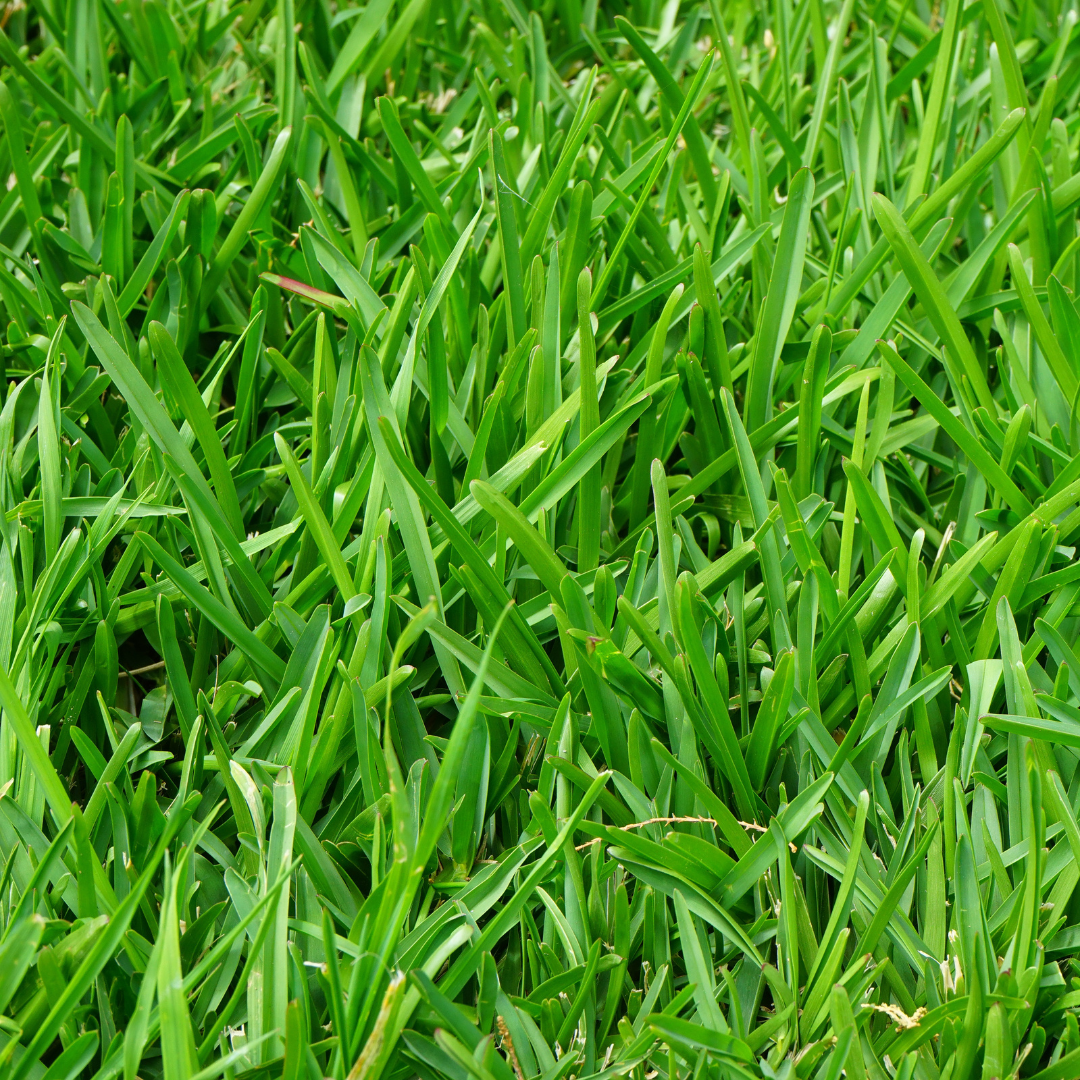
Clay Sand
We’ve got Roger in Canton who asks, “I have clay sand. Can clay sand put down on dry grass to help soften it up at all? Can you use lime as a fertilizer?”
So clay sand can be used to break up clay soils. People core aerate a lot of times in the fall, core aeration wouldn’t do a whole lot right now because the ground’s as hard as a rock. But after we get a bunch of rain, core aeration is where it takes all those plugs out of the ground.
Some sand can be put on top of that, and it’ll rinse down into those holes, and it’ll help with holding moisture and drainage in clay areas. Adding sand to the top of the ground isn’t going to do a whole lot for improving the overall quality of the soil. A lot of times, if you’re trying to get seed to grow, we’ll use a Sweet Peet product.
We’ll rough the soil up, put seed down, and then we’ll add some fertilizer and then some Sweet Peet to the surface because sweetpeat will break down organically and eventually blend into the soil. Usually we use a mixture of Sweet Peet and sand as we core aerate
It helps you have drainage, but you also have something that’s going to hold moisture and help the root system of the grass grow deeper. The deeper the roots are, the better it can survive a long, hot, dry spell like we’re having. If the soil itself is pretty good and not compacted, then you can just use Sweet Peet and some seed on the surface and get the grass to grow that way.
Just remember, as you’re trying to reestablish grass, it’s all about the water. I mean, you really have to water, water, water every morning, every evening. Now, you don’t have to water for a long period of time, but you’ve got to keep the top of the soil moist.
And you want to water deep enough so that the grass’s roots will chase that moisture deep into the soil.
Lime as a Fertilizer
So for the lime, lime will correct soil pH. The pH of soils runs from 0 to 14, 0 being highly acidic and 14 being very sweet, very alkaline. Grass likes it somewhere right in the middle. Now, a lot of times if you have oak trees like I do or pine trees, the leaves and the needles that fall from those create acidity in the soil. We add like a pelletized lime back to the soil to counteract that and keep that pH at around 7, 7 1⁄2, where the grass plants really like to grow.
So, it kind of does seem almost like a fertilizer because it does help the grass, but it works with the fertilizer. The lime will actually correct the pH and allow the plant to draw the fertilizer up. If the pH is off, the fertilizer can sit there and the plant won’t consume it. You want to have both.
If you’re going to do a fall fertilizer, we check soil pHs at the nursery. You can bring a couple soil samples in. We’ll check it. Knowing where you’re at kind of helps us know where you need to go, and then we can move on from there.
A pelletized lime is a very slow-release lime. Even if you put that down now, it’s just going to lay there dormant. It’s not really going to do anything. Ideally, we need some rain to do both these things. And if you’re going to core aerate, you’re going to have to have a bunch of rain to soften that soil up, or the plugs won’t come out very deep. And when you core aerate, you want to do it deeply.
Hopefully there’s rain in the forecast.
Questions? Email us at [email protected] or call one of our two locations: Portage (330-499-0101) or Everhard (330-492-1243).
