Using the Rohr’s All Season Fertilizer
Sometimes when I look at different things around my yard, of course, I didn’t plant any of it, so I’m not sure how old they are, but then I always wonder, which ones do I put fertilizer on and water, or which ones do I just let go? The All Seasons Fertilizer can really be used on anything. That’s not going to hurt.
So annuals, perennials, tree shrubs, it can literally be used on everything. If you have something that’s not doing well, the leaves are yellowing and they’re supposed to be green. Some leaves are supposed to be yellow, but those are okay. But if you have anything that’s struggling, that fertilizer and then regular watering becomes more important to get it back healthy again.
And a lot of times the yellowing, the difference between yellowing from stress and yellowing from lack of fertilizer is usually the veins will be very green still. If it’s needing nitrogen and the leaves, the outer part will be more yellow. So you’ll still see a darker green vein and it does vary, but that’s a big indication.
And in certain plants in this part of Ohio, we would recommend annual fertilizing no matter what, like rhododendrons, azaleas. It’s an evergreen that flowers, so that’s two stressors. That’s why you’ll have a lot more problems with those plants. That’s why wilt proof is so important in the fall. It seals that foliage and doesn’t let it give off all that moisture and then the leaf burns. So by fertilizing, you’re going to create a thicker, fuller plant, and it’s going to keep more flower buds on it. It’s going to stay denser so it doesn’t look like a skeleton with just leaves on the very top.
And that fertilizer costs the same as a fertilizer that lasts for four weeks, but it lasts for six months. It’s heavy iron too. That’s another thing that can cause the leaves to yellow, not having manganese, not having iron. And this already has that blended right in. So we know that it has all the ingredients it needs to be successful and healthy.
And I was going to add that keeping things healthy and already looking good, it’s a lot better for them than trying to get them to recover, especially with hanging baskets and your annuals and stuff. Once you see that sign of stress, it’s generally, not for perennials and shrubs, but annuals have a short life cycle, like it takes them a while to get back and everything. So keeping up with it and being proactive.
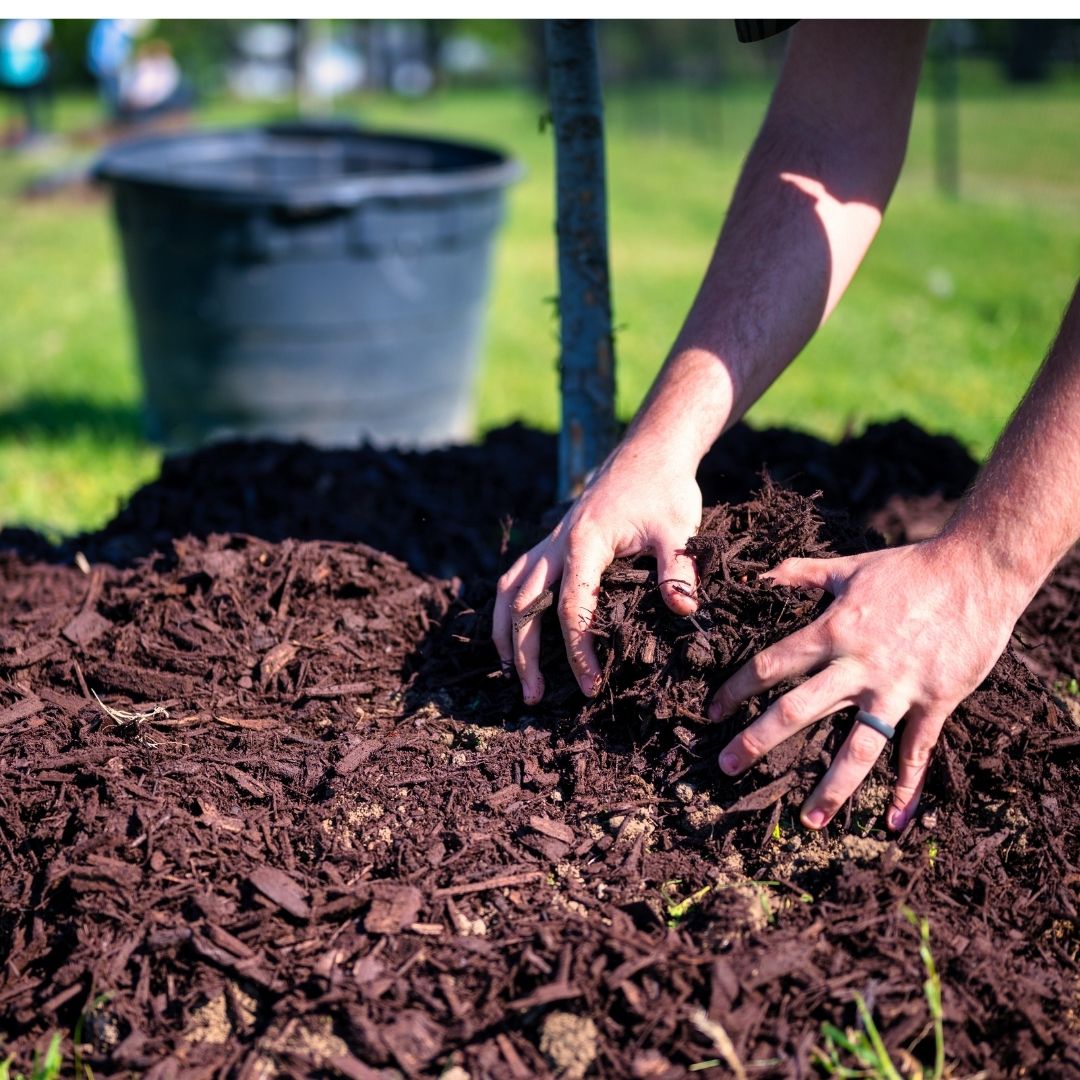
I put it in my houseplants. A lot of times when we’re repotting or I’m repotting something, I just put it in the dirt that I’m using. Mix it right in the soil. It’s good for that too. And that’s going to be like the first thing I get up there and buy this year, to make sure we’re all set and ready to go.
And it keeps. I’ve had people ask me, how long is this good for? If you keep it in a garage where it’s dry and away from direct sunlight, years. That’s good to know too. Because some of the stuff doesn’t do that. It’ll rot or it’ll degrade.
Now, eventually at some point, it’ll start to lose some of its effectiveness. If we were to bring a bag in and 10 years from now, say, hey, I got this 10 years ago. It’s still going to work. It’s just not going to work to the full power. It may have lost at that point, maybe 60 or it may only be 60 or 70% effective, but it’s still effective.
Questions? Email us at [email protected] or call one of our two locations: Portage (330-499-0101) or Everhard (330-492-1243).