Water Quality, Soil Testing, & Amendments for the Garden
Softened Water
From Sam, “A couple questions I have. The first question is, my wife and I live in an area where the water isn’t the greatest, and so we have soft water. Is that a negative when you’re watering your flowers and plants? My wife competes competitively every year at the Star County Fair, and I’m wondering if it hinders a little bit, maybe because there’s salt in the water or what have you”
I have heard that. I think it does depend on what, you know, the amount it has in there. I know with house plants and certain things that you definitely don’t. So, it does make you wonder.
Using rainwater would be a much better alternative. A lot of times people will get rainwater collection things, and they’ll put them onto the gutters of their houses, and that way they’re using non-softened water, basically. I think short-term watering here, watering there is probably not a huge problem, but if you’re watering for the entire season, depending on how much softened water is going in, depends whether those minerals are going to build up and be a problem.
Sometimes there is a bypass where you can have the well water not run through the softener. It’ll actually reduce the amount of salt that you’re using, as well. So, depending on how your house was plumbed depends on whether the outside spigots are running through the softener or not.
Soil Testing
“The second question I have is, because my wife competes, and because, you know, even though we moved the plants around in the garden, we’re using the same ground. I’ve talked about the possibility of soil testing. Do you folks get into that?”
We test on certain levels. We’ll test pH, and I believe we may be also testing potash and phosphorus. But any soil testing beyond that, whether you want to know what the manganese level is, zinc, any of the micronutrients, that you’ll have to send it away to Ohio State University.
You can work with the local agricultural extension office, and they will work with you and send it away, and you can get test results back doing it that way, as well. We do the pH and the NPK, that kind of testing, which is a good place to start.
Then knowing what your plants are. Certain plants like a really acidic pH. Say, let’s take the extreme one, blueberries. Blueberries like it 4 1⁄2 to 5 1⁄2. That’s super, super acidic. A lot of times weeds won’t even grow where blueberries like it. But there’s other plants that like a much sweeter pH, like the lawn likes more of a neutral kind of a pH. And if the pH is off, the plants will not draw up nutrients. So pH is very important to check and know what plants you have. And once you know where you’re at, you know what the plant’s like, then we can show you how to get there.
Soil Amendments
“I have one last quick question. Going in, you know, especially with the circumstances we had this year with the weather, with the extreme humidity, and then, you know, a lack of rain. Are there things that you can do, to use a term that Emeril Lagasse used to do, to zhuzh up your garden a little bit, to give it a little bit of a pop? I know that some people like to use rapid grow. Do you folks have anything else that works in a similar way or better?”
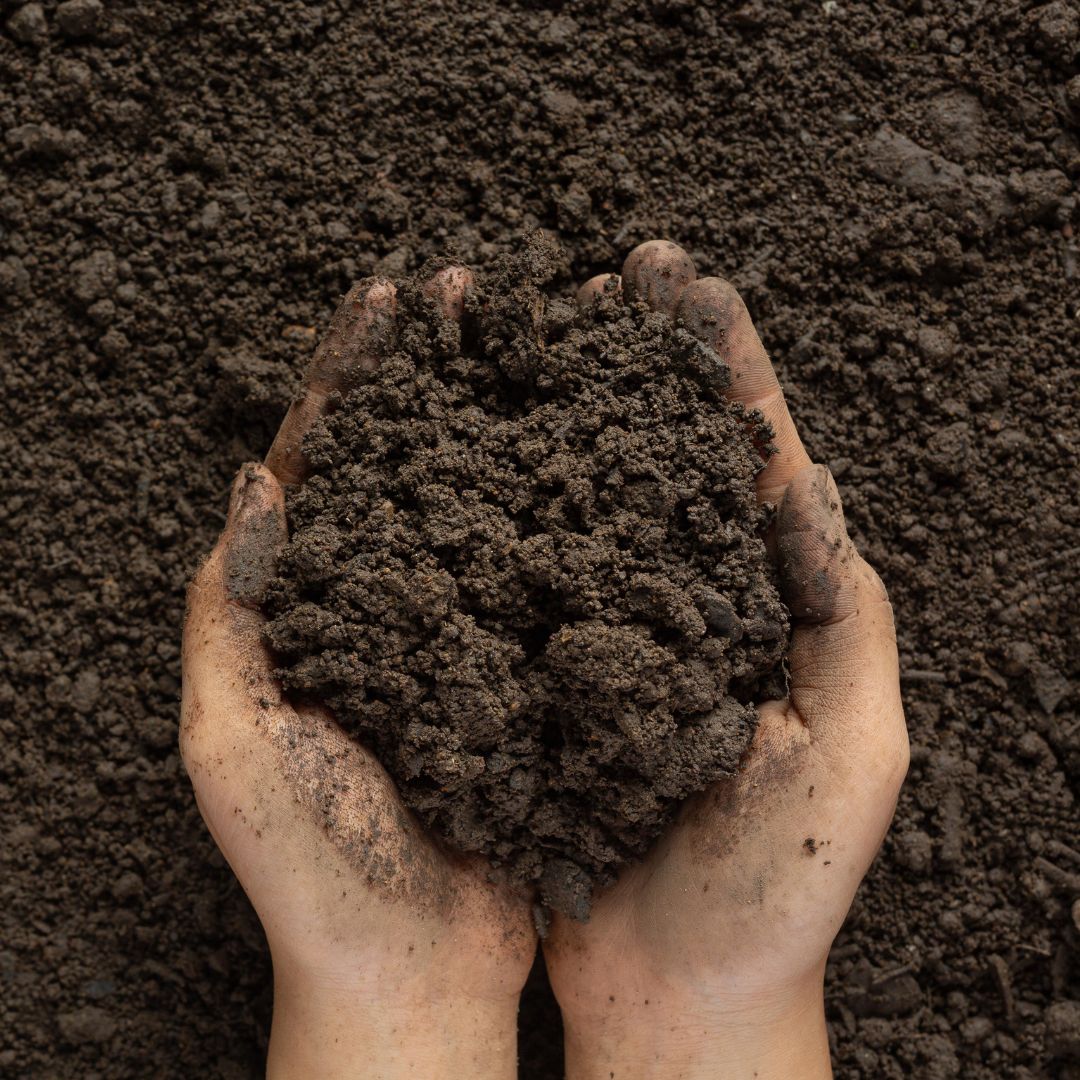
To be honest, I’m tried and true with soil amendments and compost and soil additives to enrich the soil. That’s kind of, like, my kind of go-to more so than anything is compost and natural additives to enrich the soil.
If you’re looking for a liquid, Fox Farm makes a great product line of liquids. What you were talking about was probably a liquid, a very quick release. It’s kind of like Red Bull for plants. And so it gives it a ton of energy, but it doesn’t have a long stay power, so it has to be done all the time to be effective.
Petunia feed is by Jack’s, it’s very good for annuals and high- blooming things, such as dahlias and snapdragons and that kind of stuff. It’s got a lot of iron in it, which they usually use a lot of. That’s a good one to use when fertilizing and that kind of stuff in the season. Soil is super important. And then after you have the soil prep done, then we look at the liquid fertilizers for continuing to feed the plant through the growing process.
We do sell those products up at either Rohr’s Nursery location.
Questions? Email us at [email protected] or call one of our two locations: Portage (330-499-0101) or Everhard (330-492-1243).
