Disease in Trees & Roses
Roses
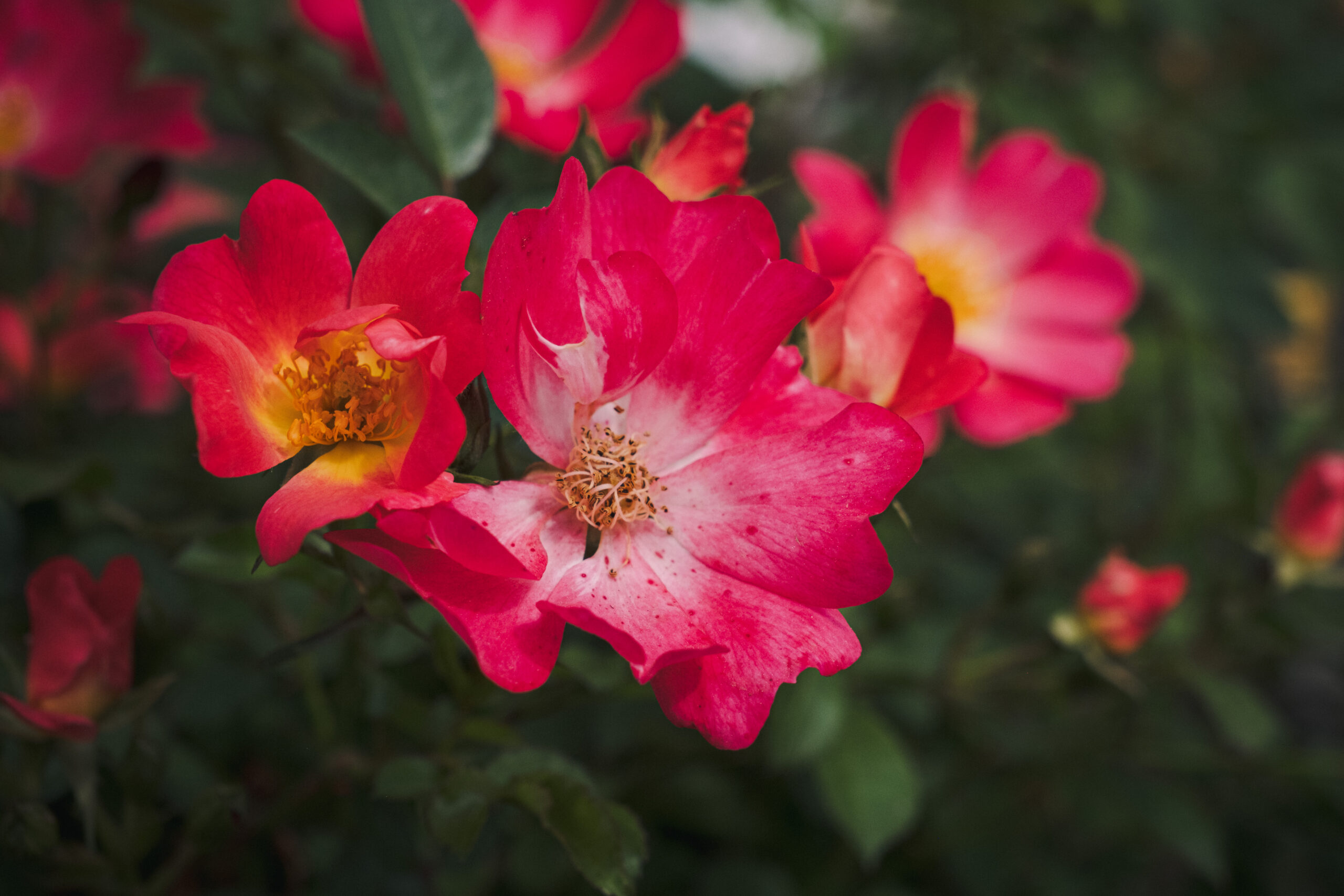
We have Ann in Hartville, who says, ‘I figured out that my Knockout Roses that are dying have Rose rosette disease. It doesn’t sound fun. It sounds like I have to dig my roses out. And I wondered two questions. Do I need to amend the soil anyway? And number two, what’s a good replacement? I mean, am I allowed to put something similar back in, or do I have to go to a whole different variety of bush?’
Rose rosette is a virus, and that virus is present in the soil. I would switch to a different type of plant. There’s plenty of other shrubs that flower, maybe not as intensely as the rosebush flowers, but they would not be susceptible to that same virus.
Amending the soil would also be extremely helpful. Removing the soil around the base of the rose, the soil on the very surface there, anywhere that virus could be harbored would also be a good thing. Yeah, Rose rosette virus is a tough one. It’s not always fixable, and if anybody’s ever replaced a rose and the next rose got the same Rose rosette virus, then that just means that some of that virus was there and then retransmitted to the new plant. It’s better to use a plant in that area that is not going to get the virus when you’re replacing it like that.
We’ve seen the same thing with like black knot on plum trees. If you have black knot on your plum tree, there’s plenty of other red leaf tree options that we could put back in there that do not get the black knot. That would be the best choice.
An Old Tree
We have Ron in Canton, who says, ‘this past summer, I’ve noticed my pinhole tree is getting a lot of dead branches on that very top. The tree is probably between 80 and 100 years old. I noticed yesterday that there were a lot of ants crawling up and down it. Can I save my tree?’
So if I had one that large, that old, I would have a professional tree company come out and look at it. I would get Davey Tree. They’ve got experts on staff that are used to dealing with the old, more historical trees. The ants feed on dead matter, so they’re not actually hurting the growing or living part of the tree, if that makes sense. But they may be able to see something or come across something that more mature oak trees are seeing that we haven’t seen here at the nursery.
We actually help each other out all the time. I’ve sent pictures to them. They say, hey, what do you think about this? And, you know, working with each other like that in the industry kind of helps us all.
Sometimes when something new is coming out, we’ll see it or they’ll see it, so we can use each other as sources of knowledge. So I would have a company like Davey come out, take a look at that tree. I’m sure if you haven’t been fertilizing it, because the tree is so old, most of the time people aren’t fertilizing very mature trees like that. But one of the things that they can do is inject into the ground, into the soil, a slow release fertilizer that will feed that tree for the season and maybe help it recover. Not that it needs to be fed all the time at that age, but any time a tree is weak or sick, if we can help it naturally fight off whatever’s going on with it, that’s always a good idea to make sure the tree has food.
Yeah, I would definitely call Davey Tree. I know the guys that work out of the green office here, just north of the nursery here, and they’re a great group of people that got arborists on site that are used to dealing with very large, very mature trees. So they should be able to tell you maybe a little bit more of what’s going on with it actually coming out, being on site.
Questions? Email us at [email protected] or call one of our two locations: Portage (330-499-0101) or Everhard (330-492-1243).
